

Why Pet Stress Matters More Than You Think
Pet stress is easy to overlook. A dog hiding under the bed or a cat refusing to eat might seem like quirky behavior. But those small signals often carry a big message about your pet's emotional state and your shared wellbeing.
Research on the pet stress bond shows that animals do not just react to their environment. They react to you. Your pet reads your body language, your tone, and even your scent. When you are anxious, they feel it. When they are struggling, you feel that too.
Understanding pet stress is one of the most caring things you can do as an owner. It helps you catch problems early, deepen your connection, and build a home that supports both of you.
Stress Signals in Dogs
Dogs are expressive animals. They communicate stress through their bodies, often in ways we miss because we are not sure what to look for.
Common physical signs include yawning when they are not tired, lip licking without food present, and excessive panting on a cool day. These are called calming signals in animal behavior science. Dogs use them to self-soothe and to signal discomfort to others.
Watch for these behavioral shifts as well:
- Tucked tail or lowered body posture
- Whale eye, where the whites of their eyes become visible
- Ears pinned flat against the head
- Sudden shedding during vet visits or new situations
- Pacing or inability to settle
- Destructive behavior like chewing furniture or scratching doors
- Changes in appetite or bathroom habits
Some dogs become clingy when stressed. Others withdraw completely. Both responses are worth noting. A dog that is suddenly shadowing your every step may be asking for reassurance in the only way it knows how.
Stress Signals in Cats
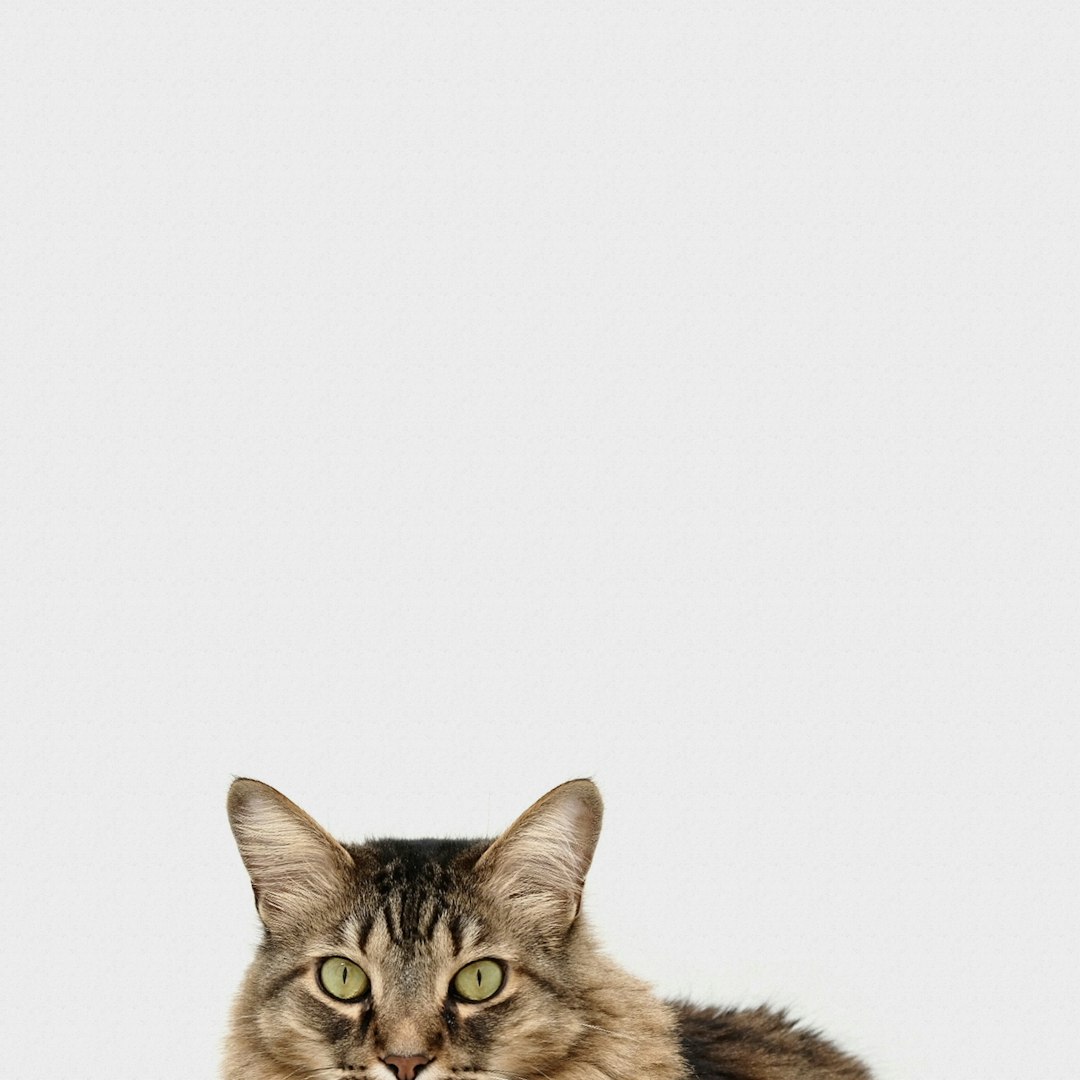
Cats are subtler about stress, which makes them easier to misread. Many owners mistake anxious cat behavior for aloofness or attitude. In reality, cats under stress are often suffering quietly.
Key signs of stress in cats include:
- Over-grooming or bald patches from excessive licking
- Hiding for longer stretches than usual
- Spraying or eliminating outside the litter box
- Increased vocalization, especially at night
- Dilated pupils in a calm setting
- Flattened ears or a puffed-up tail
- Reduced appetite or sudden food obsession
A stressed cat may also become more aggressive, hissing or swatting with little provocation. This is not personality. This is communication. Cats that act out are often cats that feel unsafe.
Changes in routine hit cats especially hard. Moving furniture, a new baby, a guest staying over, or even a shift in your own daily schedule can trigger noticeable anxiety in a cat that previously seemed perfectly content.
How Your Stress and Your Pet's Stress Feed Each Other
Here is the part that surprises most pet owners. The pet stress bond runs in both directions.
A landmark study published in the journal Scientific Reports found that dogs and their owners share long-term cortisol patterns. Cortisol is the body's primary stress hormone. When owners experienced chronic stress, their dogs showed elevated cortisol as well. The synchronization was strongest in dogs and owners who had a particularly close relationship.
This is not just a curiosity. It means that your emotional state is one of the most powerful environmental factors in your pet's life. A pet living with a chronically stressed owner may never fully relax, no matter how good their food or how safe their home.
The reverse is also true. When your pet is anxious, it changes your environment. A dog that barks constantly, a cat that yowls at 3 a.m., or a pet that destroys belongings creates additional stress for you. This creates a feedback loop that can wear down both of you over time.
Recognizing this dynamic is not about blame. It is about awareness. When you work on your own stress, your pet benefits. When you help your pet feel safer, you benefit. The relationship is genuinely mutual.
Our resource on mental health and pets explores this connection in depth, including how the therapeutic relationship between humans and animals can support healing on both sides.

Building a Calm Environment for Both of You
Creating a low-stress home is one of the highest-impact things you can do for your pet's wellness and your own. Small, consistent changes make a real difference.
Establish a Predictable Routine
Both dogs and cats thrive on routine. Feeding, walks, play and bedtime at consistent times reduce uncertainty. Pets that know what to expect tend to be calmer and more confident throughout the day.
Create Physical Safe Spaces
Every pet needs a spot that is fully their own. A dog crate with a soft blanket, a cat tree in a quiet corner, or even a dedicated shelf can serve as a retreat. When a pet has somewhere to go that feels secure, they are less likely to escalate anxious behavior.
Reduce Sensory Overload
Loud televisions, frequent visitors, strong cleaning product smells and construction noise are all potential stressors for sensitive animals. You do not need to live in silence. Being mindful of overstimulation and offering a quiet refuge helps your pet regulate.
Use Calming Touch Intentionally
Slow, deliberate strokes along your pet's body, particularly along their sides and shoulders, activate the parasympathetic nervous system in both of you. This is not just soothing for your pet. It lowers your own heart rate and cortisol too.
When Pet Stress Points to Something Deeper
Persistent or severe stress in a pet can signal an underlying condition that deserves professional attention. If your pet's stress behaviors have lasted more than a few weeks or are getting worse rather than better, a veterinary visit is the right first step.
Separation anxiety is one of the most common and most misunderstood conditions in dogs. It goes beyond missing you when you leave. Dogs with true separation anxiety may panic, harm themselves trying to escape, or lose control of their bladder. This is a treatable condition, not a training failure.
Generalized anxiety in cats and dogs can also benefit from behavioral support and, in some cases, veterinary-prescribed medication. The American Veterinary Medical Association recognizes anxiety disorders as diagnosable conditions with real, evidence-based treatment options.
It is also worth examining your own mental health during this time. Pets and people under chronic stress often need support in parallel. Learning about qualifying mental health conditions that may benefit from animal-assisted support is a useful starting point if you find yourself struggling alongside your pet.
Practical Ways to Strengthen Your Bond Through Stress Relief
The pet stress bond is not just about managing problems. It is an opportunity. Moments of calm connection actively reinforce trust and attachment between you and your animal.
Interactive Play
Play is not optional for a healthy pet. It meets physical needs and serves as a powerful emotional regulator. Ten to fifteen minutes of focused, screen-free play daily makes a measurable difference in pet anxiety levels. Use toys that mimic prey for cats. Rotate options to keep things engaging for dogs.
Training as Communication
Positive reinforcement training builds more than skills. It builds a shared language. A dog or cat that understands clear signals from you feels safer and more connected. Even five-minute training sessions a few times a week strengthen the bond and give your pet a sense of accomplishment.
Mindful Presence
Simply being calm and present with your pet has measurable effects. Slow your breath. Speak softly. Sit on the floor with them. Animals respond to the quality of your attention, not just the quantity. A distracted owner scrolling a phone sends a very different signal than one who is fully present.
Our support animal screening process also explores how the human-animal bond functions therapeutically, which can help you understand why your pet's presence may already be helping you more than you realize.
Next Steps for You and Your Pet
Understanding your pet's stress is an act of love. It means you are paying attention to someone who cannot use words to tell you they are struggling.
Start by keeping a simple log this week. Note when your pet shows stress signals, what was happening at the time, and how you were feeling in that moment. Patterns often emerge within a few days. That information is useful whether you share it with a vet, a trainer, or a mental health professional.
If you recognize that your own mental health is part of the picture, you are not alone. Many people discover through their pet's behavior that they themselves need more support. There is no shame in that. It often takes a dog or a cat to help us see what we have been carrying.
At TheraPetic® Healthcare Provider Group, our 501(c)(3) nonprofit mission is rooted in the belief that the bond between people and animals is clinically meaningful. Our Licensed Clinical Doctors have seen firsthand how addressing both human and pet wellbeing together leads to better outcomes for the whole household.
If you are curious about whether your relationship with your pet qualifies for formal support animal documentation, or if you simply want to understand more about the therapeutic connection you already have, we are here to help. Reach out at help@mypsd.org or call (800) 851-4390. You can also begin with our confidential screening to learn more about your options.
Your pet is already working hard to take care of you. Learning to read their signals is how you take care of them in return.
Written By
Ryan Gaughan, BA, CSDT #6202 , Executive Director
TheraPetic® Healthcare Provider Group • About • LinkedIn • ryanjgaughan.com
Clinically Reviewed By
Dr. Patrick Fisher, PhD, NCC , Founder & Clinical Director • The Service Animal Expert™
Editorial Review
This article was reviewed by Dr. Patrick Fisher, PhD, NCC on September 14, 2026 for accuracy, currency, and clarity. Content is updated when laws or guidance change.