

Post-Traumatic Stress Disorder affects millions of Americans, creating invisible barriers that can make daily life feel overwhelming. While traditional therapy and medication remain essential treatments, many people with PTSD find transformative relief through specially trained service dogs that perform specific tasks designed to address trauma-related symptoms.
Unlike emotional support animals that provide comfort through companionship, psychiatric service dogs for PTSD undergo extensive training to perform work or tasks that directly mitigate disability-related limitations. These remarkable animals can interrupt nightmares, scan crowds for threats, provide grounding during flashbacks, and perform dozens of other life-changing interventions.
Understanding PTSD as a Qualifying Condition
The Americans with Disabilities Act recognizes PTSD as a qualifying psychiatric disability when it substantially limits one or more major life activities. This includes difficulties with sleeping, concentrating, working, or maintaining relationships that stem directly from trauma exposure.
PTSD develops after experiencing or witnessing traumatic events such as combat, accidents, assault, or natural disasters. The condition creates lasting changes in brain chemistry that trigger intense fear responses, hypervigilance, intrusive memories, and avoidance behaviors. These symptoms often persist for months or years after the initial trauma.
Common PTSD symptoms that service dogs can address include:
- Recurring nightmares and sleep disturbances
- Hypervigilance and exaggerated startle responses
- Panic attacks and dissociative episodes
- Difficulty navigating crowds or public spaces
- Memory problems and concentration issues
- Physical symptoms like rapid heartbeat or sweating
TheraPetic® Healthcare Provider Group, a 501(c)(3) nonprofit organization, has documented through clinical research how support animals and service dogs significantly improve outcomes for individuals managing trauma-related conditions.
Service Dog vs Support Animal for PTSD
People with PTSD may qualify for both psychiatric service dogs and emotional support animals, but these accommodations serve different purposes and carry different legal protections under federal law.
Psychiatric Service Dogs receive specialized training to perform specific tasks that mitigate PTSD symptoms. Under the ADA, they have public access rights and can accompany their handlers anywhere the public is allowed. No registration or certification is required, but the dog must be trained to perform work directly related to the person's disability.
Support Animals provide therapeutic benefit through companionship and emotional support. While they don't require specific task training, they need proper documentation from a licensed clinical doctor. Support animals have housing protections under the Fair Housing Act but limited public access rights.

The choice between these options depends on individual needs, lifestyle, and the specific ways PTSD impacts daily functioning. Many people find that service dogs offer greater independence and flexibility for managing symptoms in various environments.
Nightmare Interruption and Sleep Protection
Sleep disturbances rank among the most debilitating PTSD symptoms, with recurring nightmares affecting up to 80% of people with the condition. Service dogs trained in nightmare interruption can detect signs of distress during sleep and wake their handlers before nightmares escalate.
These dogs learn to recognize physical indicators of nightmare activity, including changes in breathing patterns, movement, vocalizations, or heart rate. When they detect these signs, they perform trained interruption behaviors such as:
- Gentle pawing or nudging to wake the handler
- Turning on lights using specially designed switches
- Bringing medication or water upon waking
- Providing deep pressure therapy for comfort
- Searching the room to help reestablish safety
Sleep interruption training requires careful timing to wake handlers during lighter sleep phases when nightmares are beginning, rather than during deep sleep when awakening can be more disorienting. This specialized skill can dramatically improve sleep quality and reduce daytime fatigue.
Room searching represents another valuable sleep-related task. Many people with PTSD experience hypervigilance upon waking, feeling compelled to check their environment for threats. A service dog can systematically search bedrooms, closets, and other areas on command, providing reassurance that the space is safe.
Crowd Scanning and Safety Tasks
Hypervigilance and fear of crowds create significant challenges for people with PTSD who need to navigate public spaces. Service dogs can perform crowd control and environmental scanning tasks that reduce anxiety and increase feelings of safety.
Crowd Control Tasks:
- Creating physical barriers between handler and approaching strangers
- Positioning behind the handler to prevent surprise approaches
- Finding exits and clear pathways through crowded areas
- Leading the handler away from overwhelming situations
Environmental Scanning:
- Systematically checking rooms before the handler enters
- Alerting to people approaching from behind
- Identifying potential exit routes in new environments
- Monitoring for specific triggers or threatening behaviors
These tasks allow handlers to focus on their activities rather than constantly scanning for threats. The dog's natural senses and training create a security system that reduces hypervigilance while maintaining appropriate awareness of the environment.
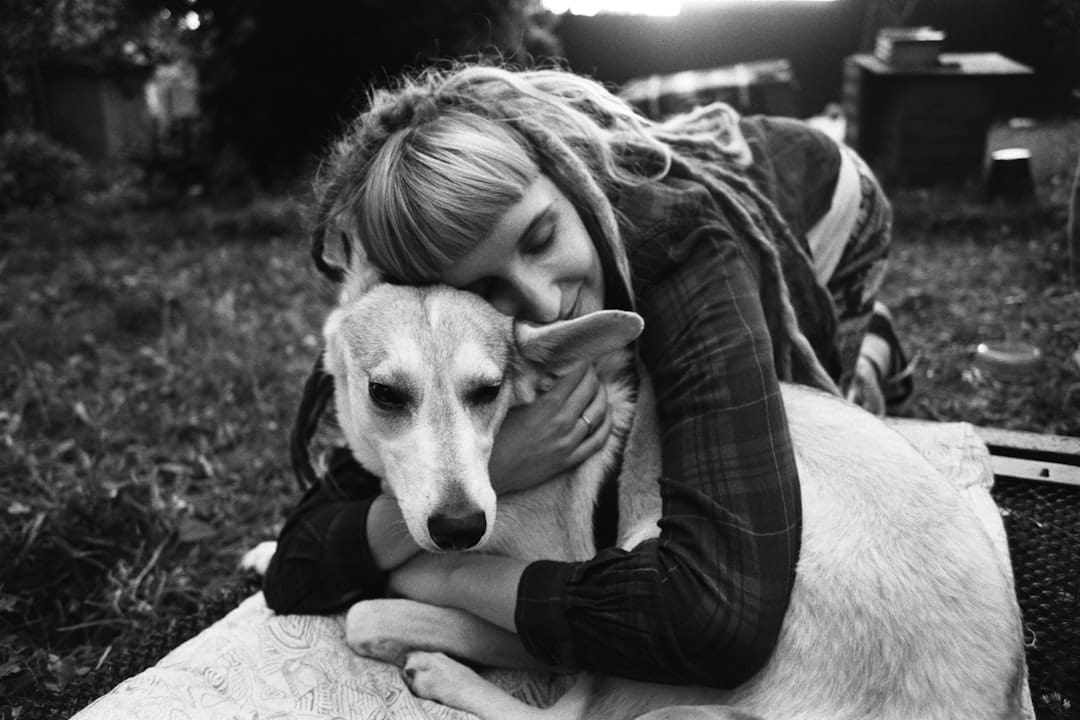
Grounding and Anxiety Response Tasks
Flashbacks, dissociation, and panic attacks can make people with PTSD feel disconnected from reality or overwhelmed by traumatic memories. Service dogs learn grounding techniques that help handlers stay present and manage acute anxiety symptoms.
Deep Pressure Therapy (DPT): Dogs apply their body weight across their handler's lap, chest, or legs to provide calming pressure. This technique activates the parasympathetic nervous system, reducing heart rate and promoting relaxation. DPT can interrupt panic attacks and provide comfort during emotional distress.
Tactile Grounding: Dogs can lick hands or faces, paw at legs, or provide other physical contact that helps handlers reconnect with the present moment during dissociative episodes. The dog's warm, familiar touch serves as an anchor to current reality.
Interruption Behaviors: Service dogs learn to recognize signs of flashbacks, dissociation, or increasing anxiety and perform trained interruption behaviors. This might include:
- Nosing or pawing to break fixation patterns
- Bringing specific comfort items or medication
- Leading the handler to predetermined safe spaces
- Performing trained sequences that redirect attention
Medication Retrieval: Dogs can fetch medication, water, phones, or other essential items during anxiety attacks, ensuring handlers have necessary resources without having to move or speak.
Mobility and Medical Alert Tasks
PTSD often creates physical symptoms and limitations that service dogs can address through mobility assistance and medical alert tasks. These skills particularly benefit handlers experiencing medication side effects, chronic pain, or other co-occurring conditions.
Mobility Support:
- Providing stability during dizzy spells or medication reactions
- Assisting with balance when walking on uneven surfaces
- Helping handlers stand up from seated or lying positions
- Retrieving dropped items to prevent bending or falling
Medical Alert Tasks:
- Detecting changes in blood pressure or heart rate
- Alerting to approaching seizures or fainting episodes
- Recognizing blood sugar fluctuations in diabetic handlers
- Identifying medication compliance issues
Some service dogs can detect cortisol or adrenaline changes that precede panic attacks, providing early warning systems that allow handlers to use coping strategies or move to safe locations before symptoms escalate.
Getting Qualified for PTSD Service Dogs
Qualifying for a psychiatric service dog requires documentation that PTSD substantially limits major life activities and that specific trained tasks would mitigate disability-related limitations. The process involves several important steps.
Medical Documentation: Licensed clinical doctors, including psychiatrists, psychologists, and clinical social workers, can provide qualifying documentation. This assessment should detail specific PTSD symptoms, their impact on daily functioning, and how trained tasks would address these limitations.
Task Assessment: Work with healthcare providers to identify which specific tasks would most effectively address your PTSD symptoms. Consider daily challenges like sleep disturbances, crowd anxiety, or panic attacks when determining appropriate tasks.
Training Options:
- Professional service dog organizations with specialized PTSD programs
- Owner-training with professional guidance and evaluation
- Combination approaches using experienced trainers
Quality training programs typically take 12-24 months and cost $15,000-$30,000. Some veterans may qualify for assistance through nonprofit organizations or VA programs.
If you're considering whether a service dog might help your PTSD symptoms, take our qualification screening to explore your options and connect with licensed clinical doctors who specialize in trauma-related support animal assessments.
Training and Legal Considerations
Service dog training for PTSD requires specialized expertise in both dog behavior and trauma psychology. Effective programs incorporate understanding of how trauma affects the nervous system and design tasks that specifically address these neurological changes.
Training Standards: While no federal certification exists, quality programs follow established training protocols that emphasize reliability, safety, and task-specific performance. Dogs must demonstrate consistent task execution in various environments and situations.
Public Access Rights: Under the ADA, psychiatric service dogs have the same access rights as other service dogs. They can accompany handlers in stores, restaurants, airplanes, and other public spaces where pets are typically prohibited.
Legal Protections:
- No registration, certification, or special identification required
- Protection from discrimination in housing and public accommodations
- Right to keep service dogs in no-pet housing
- Exemption from pet deposits or fees in most situations
Business employees may only ask two questions: whether the dog is a service animal and what task it performs. They cannot ask about the handler's disability or request documentation.
Ongoing Responsibilities: Handlers must maintain control of their service dogs and ensure they don't disrupt business operations or pose safety risks. Dogs must be housebroken, well-behaved, and focused on their handler rather than seeking attention from others.
Regular veterinary care, continued training reinforcement, and proper socialization help ensure service dogs remain effective throughout their working lives.
PTSD service dogs represent powerful tools for reclaiming independence and managing trauma symptoms. Through specialized tasks like nightmare interruption, crowd scanning, and grounding techniques, these remarkable animals help handlers navigate daily challenges with greater confidence and stability. For more information about qualifying for PTSD support animals, visit our PTSD support animal resource page or explore comprehensive mental health accommodations at go.mypsd.org.
Written By
Ryan Gaughan, BA, CSDT #6202 — executive Director
TheraPetic®® healthcare Provider Group • About • LinkedIn • ryanjgaughan.com
Clinically Reviewed By
Dr. Patrick Fisher, PhD, NCC, BC-TMH, C-AAIS — founder & clinical Director • the Service Animal Expert™