

The bond between children and pets creates powerful opportunities for emotional growth. Research consistently shows that children who grow up with pets develop stronger empathy skills, better emotional regulation, and increased resilience compared to their peers without animal companions.
These benefits extend far beyond simple companionship. The daily interactions between children and pets create natural learning environments where young minds practice essential life skills. From reading animal body language to providing care and comfort, pets serve as patient teachers in emotional development.
How Pets Teach Children Empathy and Compassion
Pets provide children with their first opportunities to care for another living being. This responsibility naturally develops empathy as children learn to recognize and respond to their pet's needs.
When a dog whimpers or a cat meows, children must interpret these signals and respond appropriately. This process teaches them to look beyond their own immediate needs and consider the feelings of others. The non-judgmental nature of pets makes this learning environment safe and encouraging.
Children with pets show measurably higher levels of empathetic responses in research settings. They demonstrate better understanding of emotions in both animals and humans. The skills learned through pet care translate directly to improved relationships with siblings, friends, and family members.
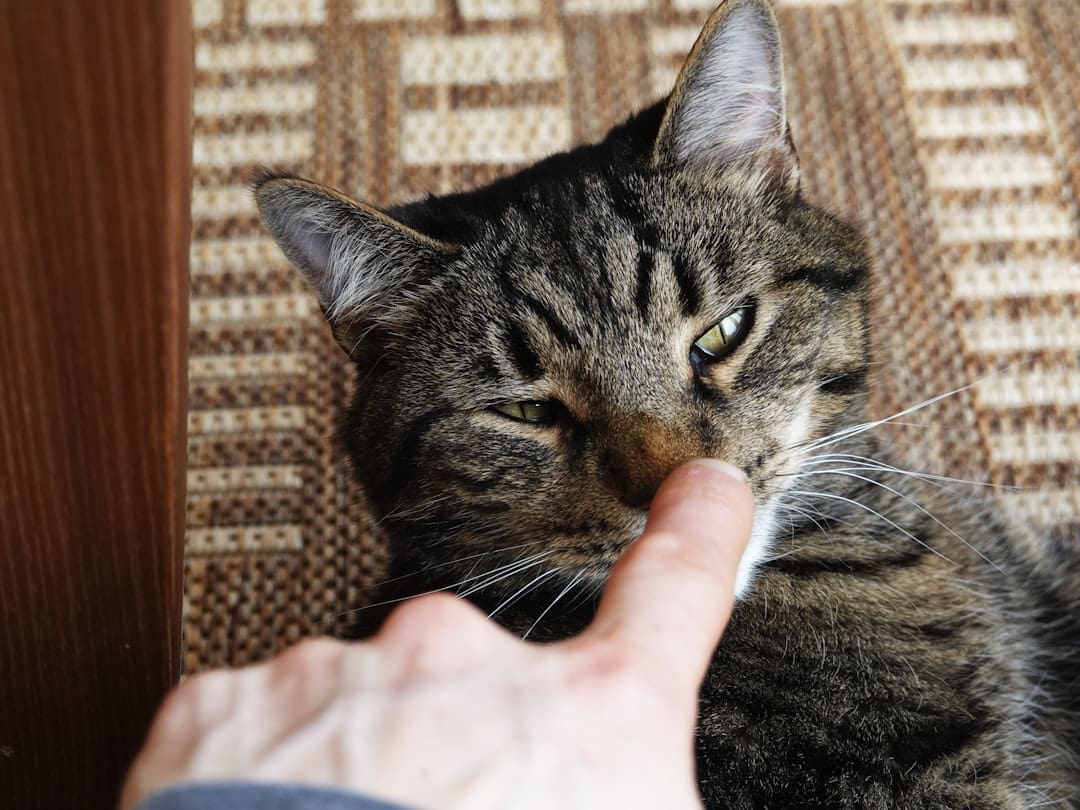
Pet ownership also introduces children to concepts of vulnerability and protection. Caring for a smaller, dependent creature helps children understand their role as protectors and caregivers. This responsibility builds confidence while reinforcing compassionate behavior patterns.
Children and Pets: Natural Emotional Regulation Partners
Pets serve as natural emotional regulators for children, providing comfort during difficult moments and excitement during play. The rhythmic breathing of a sleeping cat or the steady heartbeat of a resting dog creates calming sensory experiences that help children manage their own emotional states.
Research shows that children's cortisol levels decrease significantly when interacting with friendly pets. This biological response demonstrates the measurable stress-reduction benefits that pets provide. The simple act of petting an animal releases oxytocin, promoting feelings of connection and calm.
Pets also help children practice emotional expression in safe environments. A child might tell their dog about a bad day at school or share excitement about an upcoming event. These conversations help children process emotions verbally without fear of judgment or criticism.
The predictable routines of pet care create structure that supports emotional stability. Feeding times, walks, and grooming sessions provide regular opportunities for children to experience success and accomplishment. These positive interactions build emotional confidence over time.
Building Social Skills Through Pet Interactions
Pets act as social facilitators, creating natural opportunities for children to interact with others. Walking a dog in the neighborhood often leads to conversations with other pet owners and children. These interactions help shy children practice social skills in comfortable settings.
The shared interest in animals gives children common ground with peers. Conversations about pets provide safe topics for building friendships and developing communication skills. Children learn to share experiences, ask questions, and show interest in others' stories about their animal companions.
Pet training activities teach children important lessons about patience, consistency, and positive reinforcement. These skills transfer directly to human relationships, helping children understand how to build trust and communicate effectively with others.
Group activities involving pets, such as training classes or veterinary visits, expose children to diverse social situations. They learn to follow instructions, wait their turn, and interact respectfully with authority figures and strangers.
Pets as Stress Buffers for Developing Children
The presence of a beloved pet provides children with a reliable source of comfort during stressful times. Whether facing academic challenges, family changes, or social difficulties, children often turn to their pets for emotional support and stress relief.
Pets offer non-judgmental companionship that helps children process difficult emotions. The simple act of cuddling with a cat or playing fetch with a dog provides healthy outlets for stress and anxiety. These coping mechanisms serve children well throughout their development.
Research indicates that children with pets show greater resilience when facing traumatic events or major life changes. The consistent presence of their animal companion provides stability and comfort during uncertain times. This emotional anchor helps children maintain their sense of security.
The responsibility of pet care also teaches children that they can successfully manage challenges and provide for others even during difficult periods. This sense of capability builds confidence and resilience for future challenges.
Teaching Responsibility and Life Skills
Pet ownership introduces children to age-appropriate responsibilities that grow with their developmental stages. Young children might help fill water bowls or brush a gentle cat, while older children can manage feeding schedules and participate in grooming routines.
These daily tasks teach children about commitment and consistency. Pets depend on their human families for food, water, exercise, and care regardless of mood or convenience. This reality helps children understand the importance of following through on obligations.
The natural consequences of pet care decisions provide valuable learning opportunities. A forgotten feeding time results in a hungry, unhappy pet. These experiences teach children to anticipate needs and plan ahead without harsh criticism from adults.
Managing pet care also introduces basic life skills like time management, budgeting for pet supplies, and understanding health and nutrition needs. These practical skills serve children well as they grow toward independence.
Support Animals for Children with Special Needs
Children with developmental differences, anxiety disorders, or other special needs often benefit significantly from support animal relationships. The therapeutic bond between child and animal can provide unique forms of emotional and behavioral support.
As a 501(c)(3) nonprofit healthcare provider, TheraPetic® Healthcare Provider Group works with families to understand how support animals can benefit children with qualifying mental health conditions. The evaluation process considers each child's specific needs and circumstances.
Support animals can help children with autism develop social skills and emotional regulation. The predictable nature of animal behavior provides comfort for children who struggle with unexpected changes or social interactions.
Children with anxiety disorders often find that support animals provide grounding and comfort during difficult moments. The physical presence of their animal companion can help interrupt anxiety spirals and provide calming sensory input.
For children with attention difficulties, pet care routines can improve focus and task completion. The motivation to care for a beloved animal often helps children persist through challenging activities and develop better concentration skills.
What Current Research Reveals
Contemporary research from the National Institutes of Health demonstrates measurable benefits of pet ownership for children's emotional development. Studies show that children with pets score higher on measures of empathy, self-esteem, and social competence compared to children without pets.
Longitudinal studies following children from early childhood through adolescence reveal that those who grew up with pets maintain stronger emotional regulation skills and show greater resilience during teenage years. The early bond with animals appears to provide lasting developmental advantages.
Neurological research using brain imaging shows that children who interact regularly with pets develop enhanced activity in brain regions associated with emotional processing and social cognition. These changes suggest that pet interactions literally reshape developing brain structures in positive ways.
Educational research indicates that children with pets often perform better academically, particularly in areas requiring sustained attention and emotional regulation. The stress-reduction benefits of pet ownership appear to support better learning outcomes.
Clinical research on children with various mental health conditions shows that structured interactions with therapy animals can significantly reduce symptoms of anxiety, depression, and behavioral difficulties. These findings support the therapeutic value of human-animal bonds.
Creating Healthy Child-Pet Relationships
Successful child-pet relationships require careful consideration of the child's age, temperament, and family circumstances. The best matches occur when families choose pets whose energy levels and care requirements align with their lifestyle and the child's developmental stage.
Adult supervision and guidance help children learn appropriate ways to interact with pets. Teaching children to recognize animal body language and respect boundaries creates safer, more positive relationships for both child and pet.
Involving children in age-appropriate pet care decisions builds their sense of ownership and responsibility. Letting children help choose pet food, toys, or grooming supplies makes them active participants in their pet's wellbeing.
Regular veterinary care provides opportunities to teach children about health, prevention, and professional relationships. These experiences help children understand the importance of expert guidance and preventive care.
Creating positive routines around pet care helps children develop structure and responsibility while strengthening their bond with their animal companion. Consistent feeding times, exercise schedules, and grooming routines benefit both child and pet.
For families considering support animal documentation for children with qualifying mental health conditions, our licensed clinical doctors provide thorough evaluations and ongoing support. Learn more about our support animal documentation process and how we help families access the therapeutic benefits of human-animal bonds.
The relationship between children and pets offers profound opportunities for emotional growth, social development, and psychological resilience. By understanding and nurturing these bonds, families can provide their children with valuable tools for lifelong emotional wellbeing and healthy relationships.
Written By
Ryan Gaughan, BA, CSDT #6202 — Executive Director
TheraPetic®® Healthcare Provider Group • About • LinkedIn • ryanjgaughan.com
Clinically Reviewed By
Dr. Patrick Fisher, PhD, NCC, BC-TMH, C-AAIS — Founder & Clinical Director • The Service Animal Expert™
Editorial Review
This article was reviewed by Dr. Patrick Fisher, PhD, NCC, BC-TMH, C-AAIS on April 24, 2026 for accuracy, currency, and clarity. Content is updated when laws or guidance change.