

Pet Stress Is Real and Often Overlooked
Most pet owners know when something feels off with their animal. The dog who hides during a thunderstorm. The cat who stops eating when you travel. These behaviors are not random. They are stress responses, and they matter more than many people realize.
Pet stress is not a personality quirk or a discipline problem. It is a biological and emotional state that affects your animal's health, behavior and your relationship. Learning to read pet stress signals is one of the most important skills any pet owner can develop.
At TheraPetic® Healthcare Provider Group, our Licensed Clinical Doctors work with pet owners every day who are surprised to learn that their own emotional states are deeply connected to what their animals experience. The bond between humans and pets is not one-directional. It flows both ways.
Stress Signals in Dogs
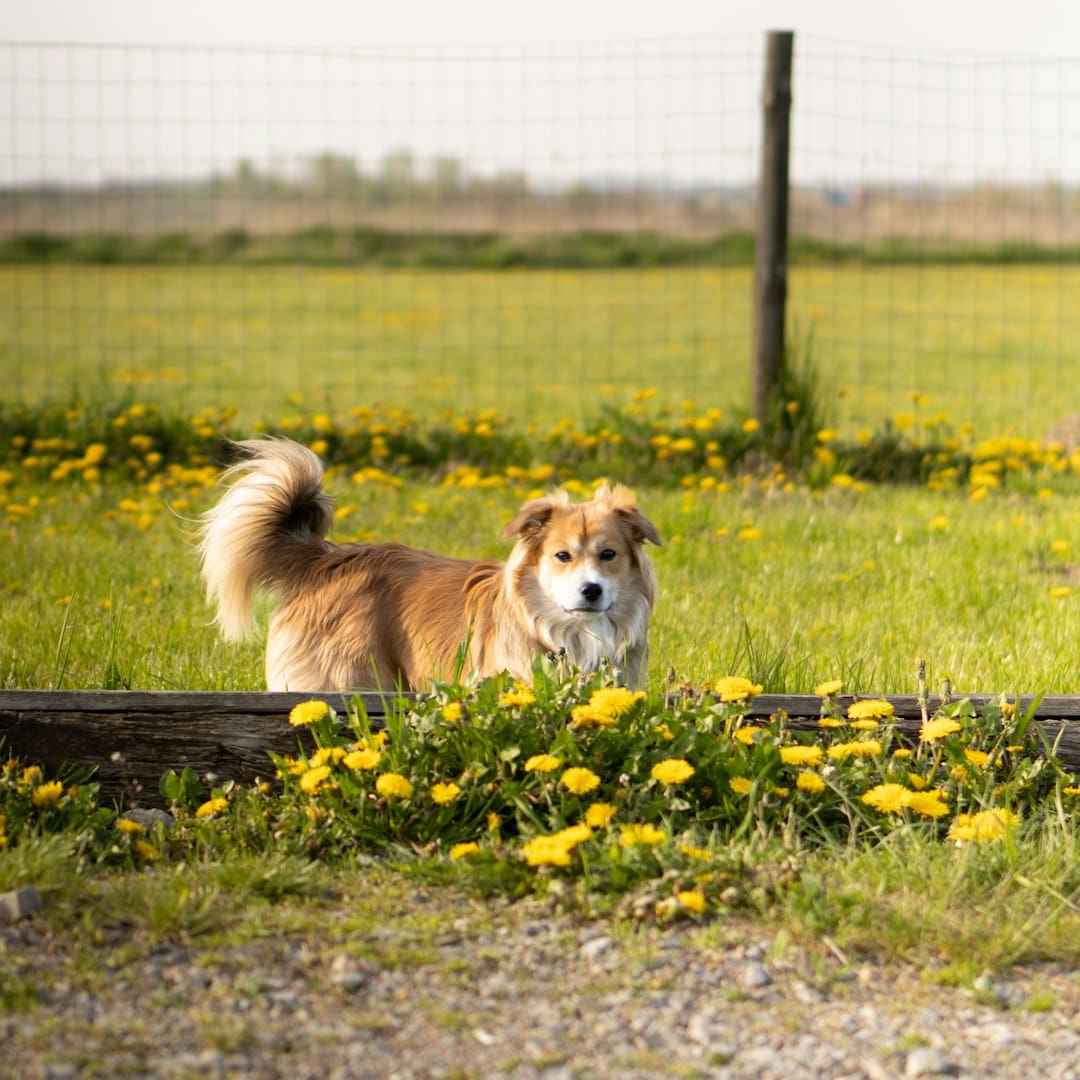
Dogs communicate through body language constantly. The challenge is that many of their stress signals look like normal behavior at first glance. Knowing what to look for changes everything.
Physical Signs to Watch
A stressed dog may yawn repeatedly when they are not tired. They may lick their lips, flatten their ears or tuck their tail even when no obvious threat is present. Shaking off, the way a dog shakes water from their coat, can also signal a release of tension rather than actual wetness.
Panting when the temperature is cool is another common signal. So is excessive shedding during a vet visit or a car ride. These are physiological stress responses, not coincidences.
Behavioral Signs to Watch
A stressed dog may pace, refuse food or become clingy. Some dogs become destructive when left alone. Others go quiet and withdraw from family activity. Excessive barking, especially at nothing obvious, is also a sign worth taking seriously.
Sudden changes in behavior are the most important signal. A dog who was relaxed and playful and has become withdrawn or reactive is showing you something has changed in their internal experience. Pay attention to the shift, not just the symptom.
Stress Signals in Cats
Cats are masters at hiding distress. This is a survival instinct rooted in their wild ancestry. Because of this, cat stress is often missed until it has become a chronic problem.
Subtle Physical Clues
A stressed cat may over-groom to the point of creating bald patches on their belly or legs. They may also under-groom, leaving their coat dull and matted. Changes in litter box habits, especially urinating outside the box, are a classic stress indicator that is often mistaken for a behavioral rebellion.
Dilated pupils in a calm setting, a low or tucked tail and slow blinking that stops are worth noticing. A cat who suddenly stops using their favorite perch or hiding spot may be reacting to a change in their environment.
Social and Behavioral Shifts
Cats who are stressed may become more vocal or go completely silent. They may hiss or swipe at people they normally tolerate. Some cats show stress by sleeping far more than usual or by becoming unusually hyperactive.
If your cat has stopped greeting you at the door, stopped seeking contact or started hiding under furniture for hours at a time, these are meaningful changes. They are not signs of a cat being "difficult." They are a cat communicating that something in their world feels unsafe.
Why Your Pet Mirrors Your Anxiety
The science behind the human-animal bond is remarkable. Research from the Department of Ethology at Linköping University in Sweden has shown that dogs synchronize their cortisol levels, the primary stress hormone, with those of their owners over time. This is not a metaphor. It is a measurable biological reality.
Cats show similar patterns. Studies examining heart rate variability and behavioral indicators suggest that cats in close relationships with their owners respond to owner emotional states in ways that reflect heightened arousal or calm depending on what their person is experiencing.
Our Licensed Clinical Doctors at TheraPetic® have observed this consistently in clinical consultations. Owners managing depression, generalized anxiety or PTSD frequently report that their pets show stress signals that mirror their own patterns. A person who is hypervigilant often lives with a hypervigilant dog. A person who is emotionally withdrawn often lives with a cat that has become distant and disengaged.
This is not a coincidence. It is the bond at work.
The Loop: How Human and Pet Stress Feed Each Other
Here is where things get important. When your stress affects your pet and your pet shows stress signals, those signals can increase your own anxiety. You see your dog pacing and you feel guilty. You notice your cat hiding and you feel helpless. This creates a loop that neither of you can easily break alone.
This loop is one reason why pet wellness and human mental health are so deeply connected. A pet who is calm and affectionate is genuinely therapeutic. Research published in Frontiers in Psychology has found that even brief interactions with calm animals lower cortisol and increase oxytocin in humans. But a stressed pet does not provide that buffer. A stressed pet can actually amplify the emotional weight their owner is already carrying.
Understanding this loop is not about blame. It is about awareness. When you recognize that your pet's behavior is a window into the emotional climate of your home, you can start to make changes that benefit both of you at the same time.
This is one of the core reasons TheraPetic® was founded as a 501(c)(3) nonprofit healthcare provider. Our mission is to make the connection between human mental health and animal wellbeing accessible to everyone, not just those who can afford premium clinical services.
Building a Calm Environment for Both of You
You do not need to overhaul your life to reduce stress for your pet. Small, consistent changes make the biggest difference.
Establish Predictable Routines
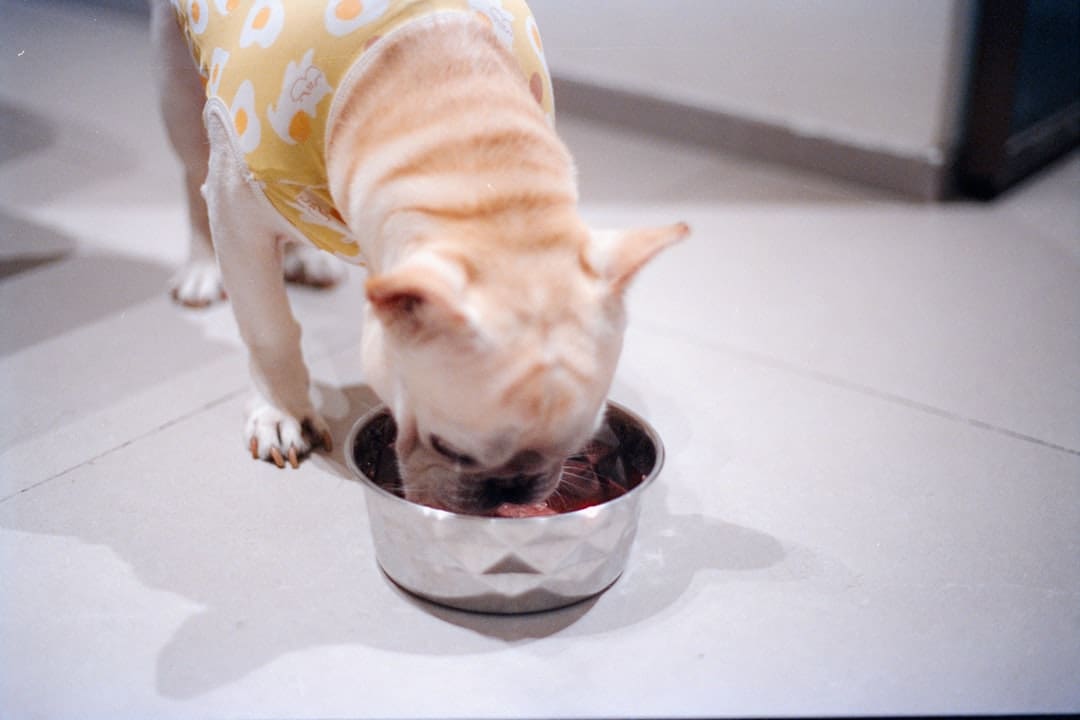
Both dogs and cats are comforted by predictability. Feeding at the same times, walks at consistent intervals and a regular bedtime routine all signal safety to your animal. When life feels chaotic for you, maintaining your pet's routine is one of the most powerful stabilizing tools available to both of you.
Create Physical Safe Spaces
Every pet needs a place that is theirs alone. For dogs, this might be a crate with familiar bedding. For cats, it is often a high perch or a quiet corner where they can observe without being disturbed. Respecting that space, not pulling them out when they retreat there, is a trust-building act that reduces long-term anxiety.
Reduce Environmental Stressors
Loud TV at high volume, frequent visitors, inconsistent discipline and unpredictable noise are all stressors for animals. You may not be able to eliminate all of them, but you can identify which ones affect your pet most and minimize those specifically. This is also often good for your own nervous system.
Use Positive, Calm Interactions
How you greet your pet matters. A high-energy, frantic greeting when you come home can actually activate your dog's stress response rather than calming them. A calm, warm greeting that gradually builds to play or affection teaches your animal that your arrival is predictable and safe. The same applies to how you respond when they show stress. Soothing, low-toned speech is more effective than energetic reassurance.
Physical Exercise and Mental Enrichment
A dog who is physically tired is a calmer dog. A cat who has opportunities to hunt, climb and explore is a more content cat. Exercise is not just good for fitness. It is a primary mechanism for stress regulation in animals. Puzzle feeders, sniff walks, interactive toys and training sessions that use positive reinforcement all activate the brain in ways that reduce anxiety over time.
What a Strong Bond Actually Looks Like
A healthy bond between a person and their pet is not about constant affection or an animal who never leaves your side. It is about secure attachment. Your pet trusts that you will meet their needs and that your presence signals safety.
A securely bonded dog can handle being alone without destructive behavior. They greet you with enthusiasm but are not frantic. They explore confidently and recover quickly from mild startle. A securely bonded cat is curious rather than skittish. They seek contact on their own terms and are not hypervigilant about sounds or movement in the home.
Building this kind of bond takes time and consistency. It is built through thousands of small interactions, not grand gestures. Every calm response to their stress, every routine you keep, every safe space you provide is a deposit into the account of their trust in you.
If you are working with a qualifying mental health condition and find that your pet plays a central role in your emotional regulation, it may be worth exploring whether your animal qualifies as a support animal under current federal guidelines. You can start by visiting our free screening page to understand your options.
When to Take the Next Step
If your pet is showing chronic stress signals that do not improve with environmental changes, a veterinary visit is the right first step. Some stress behaviors have underlying medical causes. Ruling those out is essential before assuming the issue is purely behavioral or relational.
If medical causes are ruled out and the stress appears chronic, a certified applied animal behaviorist or a veterinary behaviorist can provide a structured assessment. These are professionals trained specifically in animal behavior science, not general trainers.
For your own mental health, the connection between your emotional state and your pet's behavior is a meaningful reason to seek support. Our Licensed Clinical Doctors at TheraPetic® conduct clinical consultations that explore both dimensions. You can learn more about qualifying mental health conditions and how the therapeutic bond with your animal can be a legitimate part of your care plan.
The American Veterinary Medical Association also provides guidance on the human-animal bond and mental health that is worth reading if you want to go deeper into the science.
Your pet is paying attention to you. They always have been. The good news is that the same bond that allows stress to move between you also allows calm, safety and healing to move between you. When you feel better, they tend to feel better. When they are calm, your nervous system responds in kind. That is not just a wellness concept. That is biology working in your favor.
If you are ready to understand your pet's role in your mental health more clearly, start with our clinical consultation process at TheraPetic® Healthcare Provider Group. We are here to help you and your animal thrive together.
Written By
Ryan Gaughan, BA, CSDT #6202 — Executive Director
TheraPetic®® Healthcare Provider Group • About • LinkedIn • ryanjgaughan.com
Clinically Reviewed By
Dr. Patrick Fisher, PhD, NCC, BC-TMH, C-AAIS — Founder & Clinical Director • The Service Animal Expert™
Editorial Review
This article was reviewed by Dr. Patrick Fisher, PhD, NCC, BC-TMH, C-AAIS on May 7, 2026 for accuracy, currency, and clarity. Content is updated when laws or guidance change.