

What Depression Actually Feels Like Day to Day
Depression is not just sadness. It is a weight that sits on every part of your life. Getting out of bed feels impossible. Showering feels like a mountain. Returning a phone call feels like climbing that mountain twice.
For millions of people living with depression, the hardest part is not the big moments. It is the ordinary ones. Making breakfast. Leaving the house. Feeling like the day has any shape to it at all. Depression flattens everything, and that flatness is exhausting in a way that is hard to explain to someone who has not been there.
What many people do not realize is that a support animal can make a genuine, measurable difference in exactly these moments. Not as a cure. Not as a replacement for treatment. But as a daily presence that reshapes how depression moves through your life.
Why Animals Help When People Struggle to Connect
One of depression's cruelest tricks is isolation. When you are depressed, reaching out to other people often feels like too much. You worry about being a burden. You do not have the energy for conversation. Social connection, which is one of the most powerful tools against depression, becomes one of the hardest things to access.
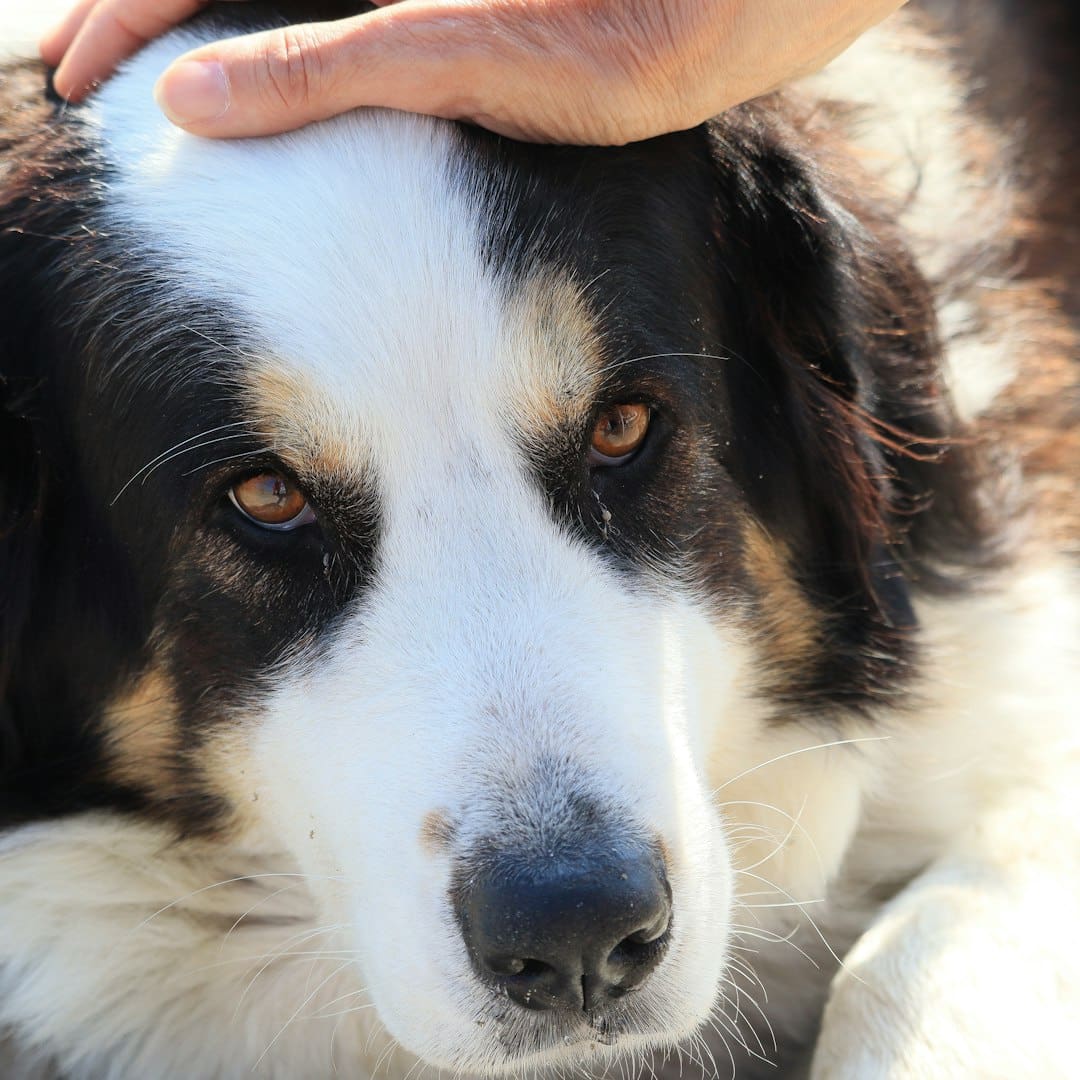
Animals sidestep all of that. They do not require explanation. They do not need you to perform wellness or pretend to be okay. A dog curling up against you during a hard afternoon asks for nothing except your presence. A cat choosing your lap is not a social obligation. It is just warmth.
In our years of supporting individuals through the support animal documentation process at TheraPetic® Healthcare Provider Group, our Licensed Clinical Doctors consistently observe that the relationship between a person and their animal often becomes the first stable emotional connection that depression has not managed to erode. That observation matters. It points to something real about why animals reach us in ways that even well-meaning humans sometimes cannot.

Structure and Routine: The Gift You Did Not Know You Needed
Depression dismantles structure. When you are in the middle of a depressive episode, the day loses its shape. You stop eating at regular times. Sleep becomes chaotic. The hours blur together in ways that deepen the depression rather than relieve it.
A support animal introduces biological anchors into the day. A dog needs to be fed at roughly the same time every morning. It needs to go outside. It has energy that asks to be spent, which means walks happen. Walks mean leaving the house. Leaving the house means light exposure and movement, both of which have documented effects on mood regulation.
This is not a small thing. Behavioral activation, one of the most evidence-supported approaches in treating depression, is built on exactly this principle. Small, scheduled behaviors that create momentum. A support animal provides behavioral activation built into the relationship itself. You do not have to remember to activate. The animal reminds you.
Cats create structure too, even though they are more independent. Feeding schedules, playtime, the simple act of noticing what your animal needs and responding to it pulls you slightly outside of the inward spiral that depression creates. That outward pull, repeated daily, adds up.
Unconditional Positive Regard and the Animal Bond
Psychologist Carl Rogers introduced the concept of unconditional positive regard as a cornerstone of therapeutic healing. It means being fully accepted, without conditions, without judgment, without needing to earn it. Rogers argued that this kind of acceptance creates the safety a person needs to genuinely change and heal.
Animals offer this in a form that feels immediate and physical. Your dog does not love you less on the days you cannot get off the couch. Your cat does not judge the unwashed dishes or the unanswered emails. The animal's affection is not conditional on your productivity, your mood or your ability to hold it together.
For someone living with depression, that unconditional presence is therapeutic in a precise, clinical sense. Depression often distorts thinking in ways that make a person feel unworthy, unlovable or fundamentally broken. A support animal provides daily, embodied evidence against those distortions. It is hard to fully believe you are unworthy of love when a living creature chooses to be near you, consistently, every single day.
Our Licensed Clinical Doctors describe this as one of the most underappreciated aspects of the human-animal bond. It is not just comfort. It is corrective emotional experience delivered through relationship.
The Science Behind the Human-Animal Bond
The healing power of companion animals is not just anecdotal. The biological mechanisms are increasingly well understood. When a person interacts positively with an animal, the brain releases oxytocin, the same bonding hormone released during human-to-human affectionate contact. Cortisol, the primary stress hormone, measurably decreases. Heart rate and blood pressure drop.
Research published in peer-reviewed journals, including work surveyed by the National Institutes of Health, points to consistent findings across populations. Pet owners show lower rates of depression in some studies. Animal-assisted interventions in clinical settings have demonstrated reductions in depressive symptoms across multiple controlled trials. The Human Animal Bond Research Institute continues to build a rigorous evidence base documenting these effects across different conditions and demographics.
Dr. Patrick Fisher, PhD, LPC, NCC, BC-TMH, C-AAIS, whose doctoral research on support animal therapeutic outcomes shaped much of our clinical framework at TheraPetic® Healthcare Provider Group, emphasizes that the bond functions through multiple simultaneous channels. There is the physiological channel, the oxytocin and cortisol response. There is the behavioral channel, the structure and routine. And there is the relational channel, the experience of being accepted and needed. Depression is addressed on all three levels at once.
That layered effect is part of what makes the human-animal bond qualitatively different from other wellness interventions. It is not one thing working. It is several things working together, integrated into your daily life rather than scheduled as a separate activity.
Depression as a Qualifying Condition for Support Animal Documentation
Under current federal guidance, a support animal is not a pet. It is an animal that provides emotional support that alleviates one or more symptoms of a diagnosed mental health condition. Depression, as defined in the DSM-5, is a recognized mental health condition that can qualify a person for a support animal letter from a Licensed Clinical Doctor.
This distinction matters practically. Under the Fair Housing Act, individuals with a qualifying disability, including depression that substantially limits one or more major life activities, have the right to request a reasonable accommodation to keep a support animal in housing that would otherwise prohibit pets. The landlord cannot charge a pet deposit for a support animal. They cannot simply refuse without engaging in an individualized assessment.
The documentation that makes this possible is a support animal letter. It is written by a Licensed Clinical Doctor who evaluates whether the person has a qualifying condition and whether the animal provides therapeutic benefit related to that condition. At TheraPetic® Healthcare Provider Group, our clinical team conducts this evaluation with care, treating it as a genuine clinical interaction rather than a form-filling exercise.
It is worth being clear about what this documentation does not do. It does not give a support animal public access rights in stores, restaurants or other public accommodations. Those rights apply specifically to trained Service Dogs under the Americans with Disabilities Act. A support animal letter provides housing protections and, under the Air Carrier Access Act's current framework, specific travel-related considerations. Knowing the difference protects you from misinformation.
What a Support Animal Actually Changes in Daily Life
Think about a morning with severe depression. You wake up and the first feeling is dread. The day feels pointless before it starts. Getting up feels like a choice you have to make with effort you do not have.
Now add an animal. The dog is awake. It needs to go outside. That need is immediate, concrete and coming from a creature you love. You get up. You go outside. You are in daylight for ten minutes before 9 a.m. On the way back in you feed the dog. Now you are standing in the kitchen. Maybe you make coffee. Maybe you eat something.
None of that sounds dramatic. But in the context of depression, each one of those steps is a genuine intervention. The animal did not fix the depression. But it moved you through a morning that depression would otherwise have swallowed whole. Do that enough mornings and you start to build momentum. Momentum is one of the things depression most reliably destroys, and the animal quietly rebuilds it, one morning at a time.
People living with depression often describe their support animal as the reason they got out of bed on days when nothing else could have achieved that. That is not a metaphor. It is a functional description of behavioral activation occurring in real time.
Getting Started with Support Animal Documentation
If you are living with depression and your animal already provides meaningful comfort, structure or motivation, your relationship may already qualify under current federal standards. The first step is connecting with a Licensed Clinical Doctor who can evaluate your situation honestly.
At TheraPetic® Healthcare Provider Group, we are a 501(c)(3) nonprofit. Our mission is to make clinically sound support animal documentation accessible to people who genuinely need it, not to sell letters as a product. Our Licensed Clinical Doctors conduct real evaluations, and our letters reflect real clinical conclusions. We believe that the integrity of the process protects both the individual and the broader community of people who rely on support animal accommodations.
You can begin with a free eligibility screening to get a sense of whether your condition and your relationship with your animal might qualify. The screening is brief and asks about your mental health history and the ways your animal supports your daily functioning. It is not a commitment. It is a starting point.
You can also explore our qualifying conditions resource for a fuller picture of how depression and other mental health diagnoses are evaluated in the context of support animal documentation.
Depression is a real illness. It deserves real treatment. And the bond you have with your animal may already be part of your healing in ways you have not yet named or protected. We are here to help you do both. Reach us anytime at help@mypsd.org or (800) 851-4390.
Written By
Ryan Gaughan, BA, CSDT #6202 — Executive Director
TheraPetic®® Healthcare Provider Group • About • LinkedIn • ryanjgaughan.com
Clinically Reviewed By
Dr. Patrick Fisher, PhD, NCC, BC-TMH, C-AAIS — Founder & Clinical Director • The Service Animal Expert™
Editorial Review
This article was reviewed by Dr. Patrick Fisher, PhD, NCC, BC-TMH, C-AAIS on May 1, 2026 for accuracy, currency, and clarity. Content is updated when laws or guidance change.